


Image From : gemini.google.com
As we move through 2026, the financial landscape of healthcare has reached a tipping point. While medical technology has never been more advanced, the “sticker price” for staying healthy has hit record highs. Between the expiration of key federal subsidies and the surge in high-cost pharmaceutical trends, patients are facing a “new normal” for their medical bills.
Here is the data-driven reality of what healthcare actually costs in 2026.
1. The Premium “Sticker Shock”
For the millions of Americans on the ACA Marketplace, 2026 is a year of major transition. The enhanced tax credits that lowered monthly payments during the early 2020s have expired.
-
The Reality: Gross insurer premiums are rising by an average of 20% to 26% this year.
-
The Impact: For many enrollees, particularly those just above the poverty line, the “net” cost out of their paycheck could more than double without the previous federal assistance.
2. The “GLP-1 Effect” on Your Wallet
The massive popularity of weight-loss and diabetes medications (like Ozempic and Wegovy) is a primary driver of rising costs.
-
The Cost Driver: Even if you don’t take these drugs, you are likely paying for them. Insurers cite GLP-1 utilization as a top reason for the 9% to 10% increase in employer-sponsored plan costs this year.
-
Out-of-Pocket Limits: While Medicare Part D now has a $2,000 annual cap on drug spending, many private plans have introduced “prior authorization” hurdles that can make these life-changing drugs difficult to access without significant personal expense.
3. High-Performance Technology Fees
In 2026, AI is no longer a backend tool; it’s a billable service.
-
AI Diagnostic Fees: Many providers are now using AI-enabled diagnostic tools for everything from skin cancer screenings to heart monitoring. While these are more accurate, they often come with new billing codes that may not be fully covered by standard insurance.
-
The Silver Lining: While initial costs are higher, these technologies are expected to reduce long-term expenses by catching chronic diseases years earlier than traditional methods.
4. The Growth of “Co-Payment” Requirements
A major global trend hitting the US in 2026 is the mandated Co-Payment Scheme.
-
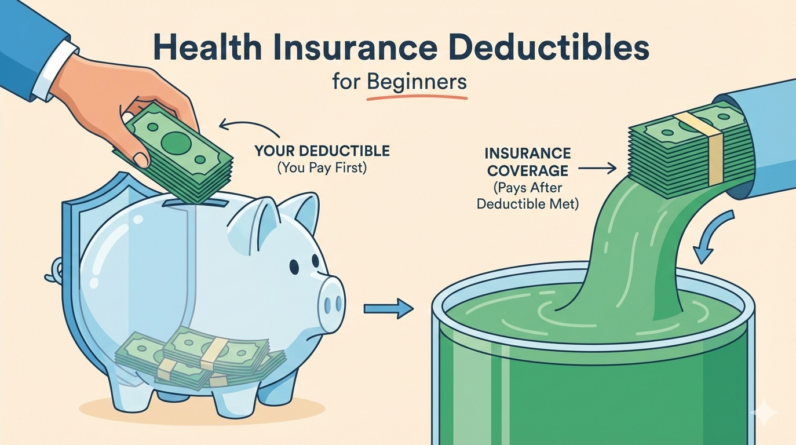
The Rule: To curb “over-utilization,” many plans now require patients to pay at least 10% of every claim, even after deductibles are met.
-
The Cap: For a typical hospital stay in 2026, expect these co-payments to be capped around $3,000, meaning you need to have more liquid savings available than in previous years.
2026 Healthcare Cost Snapshot
| Expense Category | 2026 Average Projection | Driving Factor |
| Employer Plan (Total Cost) | $18,500+ per employee | Pharmacy spend & Labor costs |
| Marketplace Premium | $50/mo (Lowest tier after credits) | 26% increase in gross rates |
| Out-of-Pocket Max | $10,600 (Individual) | Federal inflation adjustment |
| Pharmacy Spend Growth | 11.5% increase | GLP-1s & Specialty Biologics |
Patient Tip: In 2026, “Shopping for Care” is essential. Use Price Transparency Tools required by federal law to compare the cost of a procedure at different hospitals—the price difference for the same MRI can still be as much as $2,000.